

How to Stop a Runny Nose?
Dr. Akash Patel, MD, at Nova Medical Group, recommends several approaches to stop a runny nose, depending on the cause. Over-the-counter antihistamines can help if allergies are the culprit, while decongestants and saline sprays may reduce symptoms from colds or sinus infections. Staying hydrated and using a humidifier can also soothe irritated nasal passages. For persistent or severe symptoms, a medical evaluation can help identify the root cause and ensure proper treatment. For more information, please contact us today or book an appointment online. We are located at 401 N Bedford St, East Bridgewater, MA 02333.
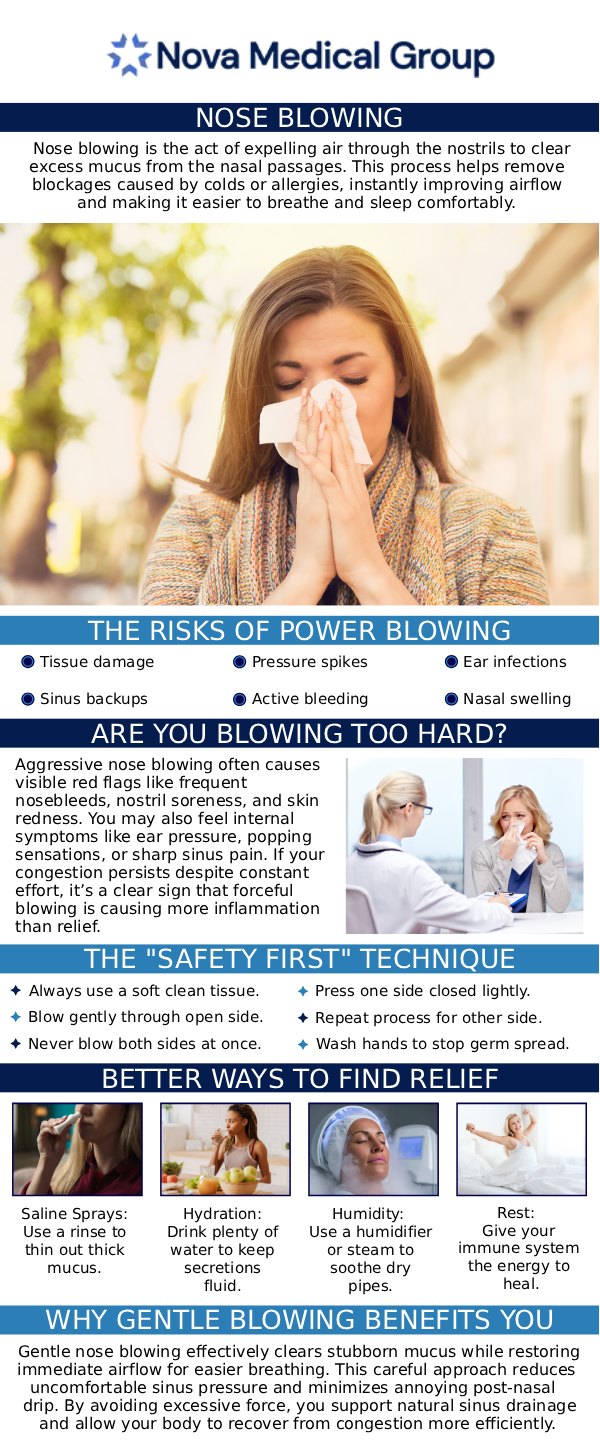
Table of Contents:
Can certain foods help stop a runny nose?
Does staying hydrated really help stop a runny nose?
Should I use nasal sprays to stop a runny nose?
Can Dr. Akash Patel, MD, help determine the cause of my runny nose?
Yes, certain foods can help alleviate a runny nose by supporting your immune system, reducing inflammation, and easing congestion. At Nova Medical Group, our team often recommends including foods rich in vitamin C, such as citrus fruits, bell peppers, and leafy greens, as they help boost your immune response and reduce symptoms of colds and sinus congestion. Additionally, foods that contain antioxidants, such as berries, tomatoes, and broccoli, can help fight off infections and reduce inflammation in the nasal passages.
Spicy foods, like those containing chili peppers, can also temporarily relieve congestion by thinning mucus, making it easier to expel. These foods may provide temporary relief from a runny nose by opening up nasal passages. Another beneficial food group includes warm broths and soups, which not only provide hydration but also help soothe irritated sinuses. Chicken soup, in particular, has been found to reduce inflammation in the nasal passages and help with mucus clearance.
Finally, drinking plenty of herbal teas such as ginger or peppermint tea can help reduce inflammation, soothe a sore throat, and relieve nasal congestion. We recommend these dietary adjustments at Nova Medical Group to complement other treatments and help manage a runny nose effectively.
Yes, staying hydrated plays a key role in managing a runny nose. Proper hydration helps thin mucus, making it easier for your body to clear congestion from your nasal passages. When you are well-hydrated, your mucus is less likely to become thick and sticky, which can clog the sinuses and prolong symptoms of a runny nose. At Nova Medical Group, Dr. Akash encourages patients to drink plenty of fluids such as water, herbal teas, and clear broths to help thin mucus and promote better sinus drainage.
Additionally, staying hydrated helps maintain the moisture in your nasal passages, preventing them from becoming dry and irritated. Dryness in the nose can lead to further inflammation, which can worsen congestion and make the runny nose more persistent. By drinking adequate fluids, you can help reduce inflammation and keep your nasal passages moist, easing symptoms of a runny nose.
We also suggest using a humidifier or saline nasal sprays in conjunction with hydration to keep your sinuses clear and comfortable. Staying hydrated is a simple yet effective way to support your body’s natural ability to fight off illness and relieve the discomfort of a runny nose.
Nasal sprays can be effective in managing a runny nose, but it’s important to use them cautiously and as directed by your healthcare provider. Nova Medical Group often advises using saline nasal sprays or saline irrigation to help clear mucus from the nasal passages. These types of sprays are safe to use regularly and work by moisturizing and flushing out irritants and excess mucus without causing harm. Saline sprays help relieve congestion and dryness in a natural, non-medicated way, providing temporary relief for a runny nose.
On the other hand, decongestant nasal sprays, such as those containing oxymetazoline, should be used with caution. While they can quickly reduce nasal congestion, they should not be used for more than 3 days consecutively. Overuse of decongestant nasal sprays can lead to a condition called “rebound congestion,” where the nasal passages become even more congested once the spray wears off. Our team at Nova Medical Group, typically recommends limiting the use of these types of sprays and considering alternative treatments for ongoing congestion.
If you are unsure about which nasal spray is best for you, Dr. Patel can help guide you through the available options and recommend the most suitable treatment based on your symptoms.
Yes, Dr. Akash Patel, MD, at Nova Medical Group, can help determine the cause of your runny nose by conducting a thorough evaluation and diagnostic tests. A runny nose can be caused by various factors, including viral infections (such as the common cold), allergies, sinus infections, or environmental irritants. Dr. Patel will take the time to review your medical history, assess your symptoms, and perform a physical examination to identify potential triggers.
If needed, Dr. Patel may recommend additional tests, such as allergy testing or nasal swabs, to identify whether your runny nose is due to an infection or an allergic reaction. By pinpointing the underlying cause of your symptoms, he can recommend a targeted treatment plan that addresses the root cause of your runny nose. Whether it’s prescribing medications to treat an infection, recommending allergy management strategies, or suggesting lifestyle changes to reduce environmental triggers, Dr. Patel’s goal is to provide personalized care that leads to long-term relief. At Nova Medical Group, Dr. Patel offers comprehensive care for a range of conditions that cause a runny nose, ensuring that your symptoms are properly addressed and that you receive the most effective treatment options available. For more information, please contact us today or book an appointment online. We are located at 401 N Bedford St, East Bridgewater, MA 02333. We serve patients from East Bridgewater MA, Abington MA, Brockton MA, West Bridgewater MA, Easton MA, Taunton MA, Raynham MA, and surrounding areas.
Check Out Our 5 Star Reviews



Additional Services You May Need
▸ Urgent Care
▸ Primary Care
▸ Women’s Health
▸ Weight Management
▸ Diabetes Management
▸ High Blood Pressure
▸ Sports Medicine
▸ Specialty Services
▸ Occupational Health
▸ Adult Primary Care
▸ Pediatric Primary Care
▸ Geriatric Primary Care
▸ Fractures/Burns/Cuts
▸ Annual Physicals
▸ Hereditary Cancer Risk


 How May I Help You?