

Why Does a Cold Make Your Nose Run?
When you catch a cold, your immune system responds by producing more mucus to help flush out the virus. This increased mucus production leads to a runny nose, a common symptom of colds. According to Dr. Akash Patel, MD, at Nova Medical Group, the body’s natural defense mechanisms cause the nasal passages to become inflamed and irritated, which leads to the production of more fluid. For more information, please contact us today or book an appointment online. We are located at 401 N Bedford St, East Bridgewater, MA 02333.
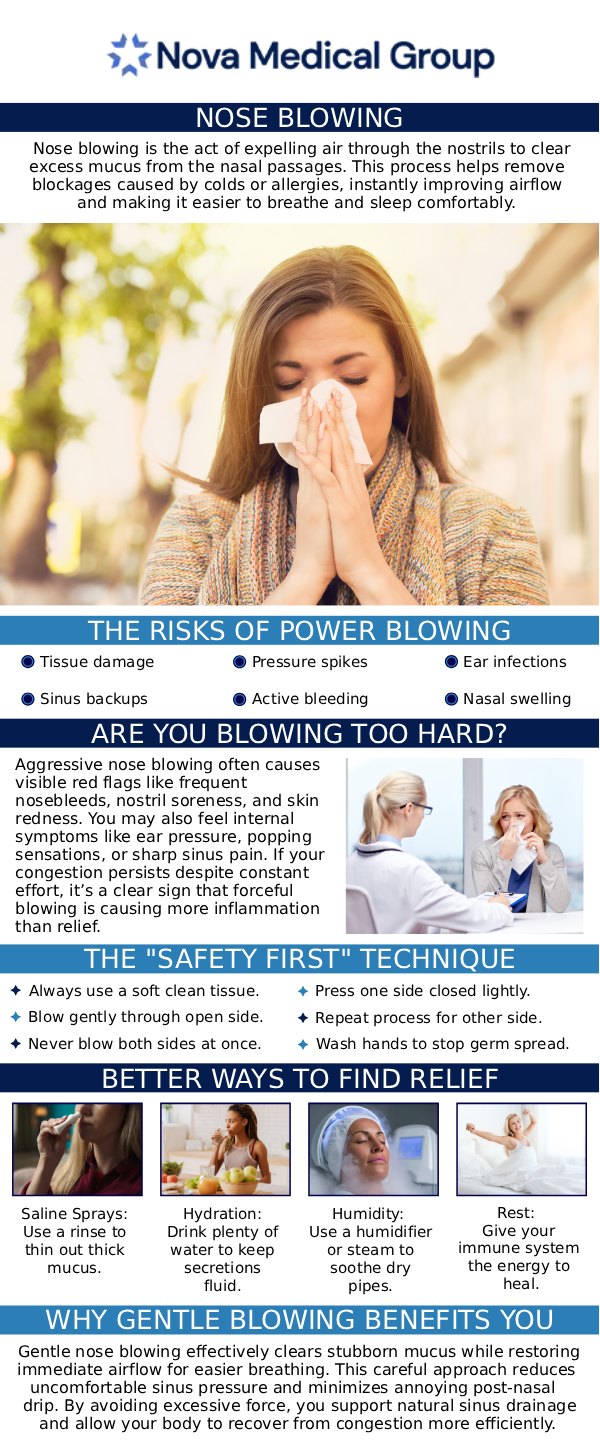
Table of Contents:
Why does my nose run when I have a cold?
What causes a cold in the first place?
Why do I have both a runny nose and congestion with a cold?
What can Dr. Akash Patel, MD, do to relieve a runny nose during a cold?
At Nova Medical Group, we often see patients concerned about a runny nose, especially during cold and flu season. A runny nose, or rhinorrhea, is one of the most common symptoms of the common cold, which is usually caused by viruses such as rhinoviruses.
When these viruses enter your body, they target the lining of your nasal passages and sinuses. In response, your immune system triggers inflammation to help fight off the infection. This inflammation leads to swelling of the blood vessels in your nose and stimulates your nasal glands to produce more mucus.
Mucus is your body’s natural defense—it helps trap and flush out viruses, bacteria, and other irritants. During a cold, your body ramps up mucus production, resulting in the watery, runny nose that so many of our patients experience, especially in the early stages of infection. The inflammation can also make it harder for your nose to reabsorb this extra fluid, leading to more noticeable nasal discharge.
While a runny nose can be bothersome, it’s actually a sign that your body is actively working to fight off the infection. As your immune system gains control and the inflammation subsides, your nose will return to normal.
At Nova Medical Group, we understand how disruptive a common cold can be to your daily life. Colds are primarily caused by viral infections that affect the upper respiratory tract, including your nose and throat. The most frequent culprit is the rhinovirus, but other viruses such as coronavirus, respiratory syncytial virus (RSV), and adenovirus can also lead to cold symptoms.
These viruses are highly contagious and can spread easily through droplets in the air when an infected person coughs or sneezes. You can also catch a cold by touching surfaces contaminated with these viruses and then touching your face, especially your nose, mouth, or eyes. Once inside your body, the virus multiplies in the lining of your nose and throat, prompting your immune system to respond. This response causes the familiar symptoms: runny nose, sore throat, sneezing, and congestion.
We emphasize the importance of preventive measures, such as frequent handwashing, avoiding close contact with those who are sick, and maintaining a healthy immune system. If you or your family members are experiencing symptoms of a cold or have concerns about your risk, our healthcare providers are here to help. We offer comprehensive care to manage your symptoms and support your recovery, so you can get back to feeling your best as quickly as possible.
At Nova Medical Group, we understand how uncomfortable a cold can be—especially when you’re dealing with both a runny nose and congestion. These symptoms are actually signs that your body is working hard to fight off a viral infection.
When you catch a cold, viruses invade the lining of your nose and sinuses. Your immune system responds by triggering inflammation, increasing blood flow, and causing the nasal lining to swell. This swelling narrows your nasal passages, leading to that stuffy, congested feeling.
At the same time, your body ramps up mucus production to help trap and clear out the virus, as well as debris and dead cells. Early in the infection, this mucus is usually thin and watery, resulting in a runny nose. As your cold progresses, the mucus can become thicker and cloudier. The combination of swollen nasal tissues and extra mucus leads to both congestion and the constant urge to blow your nose.
At Nova Medical Group, our providers can help you manage these symptoms and ensure they’re not signs of something more serious, such as a sinus infection or allergies. If your congestion or runny nose lasts more than 10 days, is accompanied by a high fever, or you’re experiencing severe discomfort, don’t hesitate to schedule an appointment with us. Our experienced team is here to support your health and help you breathe easier—every step of the way through our comprehensive services.
At Nova Medical Group, Dr. Akash Patel, MD, is dedicated to helping patients manage common conditions like a runny nose caused by the common cold. Dr. Akash may recommend several effective strategies to relieve your symptoms and support your recovery.
First, Dr. Akash often suggests over-the-counter antihistamines or decongestants to help reduce nasal discharge and congestion. Saline nasal sprays or rinses may also be recommended to soothe your nasal passages and clear out excess mucus. Staying well-hydrated by drinking plenty of fluids is another important way to thin mucus secretions and stay comfortable.
Additionally, Dr. Akash may advise you to get plenty of rest and avoid irritants such as smoke or strong odors, which can worsen your symptoms. If your runny nose is particularly bothersome or doesn’t improve, our providers can evaluate your overall health to rule out other causes, such as allergies or sinus infections, which may require a different treatment approach.
Most cases of the common cold resolve on their own within a week to 10 days, and our physicians will remind you that antibiotics are not effective against viral infections like the common cold. However, if you experience severe symptoms, such as a high fever, facial pain, or thick yellow-green mucus, we encourage you to schedule a follow-up appointment at Nova Medical Group, so our team can rule out complications and ensure you receive the best possible care. For more information, please contact us today or book an appointment online. We are located at 401 N Bedford St, East Bridgewater, MA 02333. We serve patients from East Bridgewater MA, Abington MA, Brockton MA, West Bridgewater MA, Easton MA, Taunton MA, Raynham MA, and surrounding areas.


Additional Services You May Need
▸ Urgent Care
▸ Primary Care
▸ Women’s Health
▸ Weight Management
▸ Diabetes Management
▸ High Blood Pressure
▸ Sports Medicine
▸ Specialty Services
▸ Occupational Health
▸ Adult Primary Care
▸ Pediatric Primary Care
▸ Geriatric Primary Care
▸ Fractures/Burns/Cuts
▸ Annual Physicals
▸ Hereditary Cancer Risk


 How May I Help You?